
Texture: The Most Overlooked Element in Kitchen & Bath Design
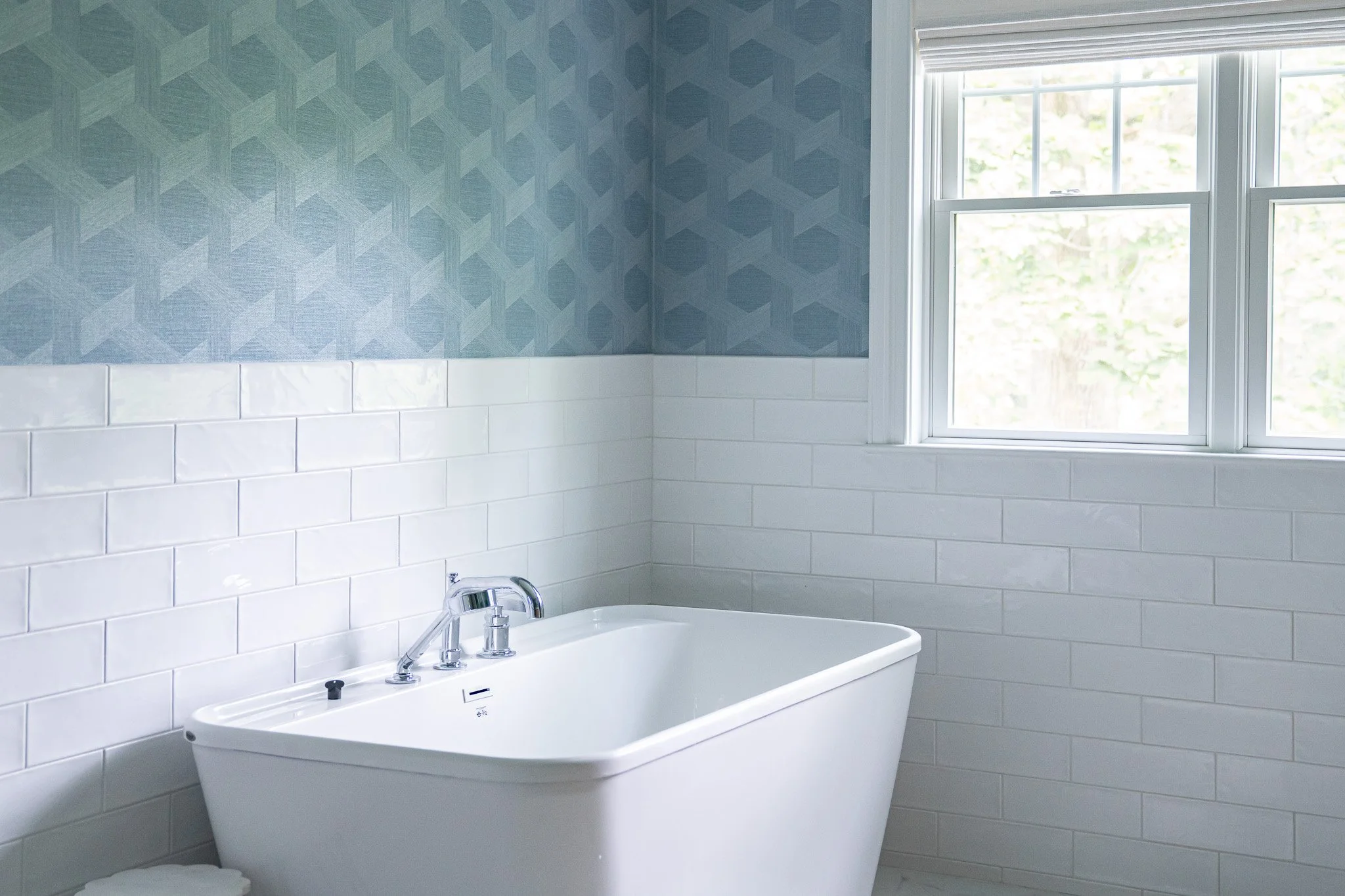
Texture is one of the hardest things to explain—and one of the easiest things to feel.
It’s also something that rarely comes through in inspiration photos. You can see color. You can see layout. But texture is what makes a space feel alive when you walk into it. It’s the difference between a kitchen that looks good online and one that feels right every day.
At Arcadia, we think about texture as a quiet layer. It should add depth, warmth, and emotion without competing for attention.
Subtle Over Statement
Our approach to texture is intentionally restrained. We lean timeless first, grounded always. When we incorporate trend-driven materials, they’re chosen because they’ll age well—not because they’re loud.
A solid cabinet paired with a material like zellige tile is a good example. Zellige has variation, movement, and imperfections that give a space character, but when used thoughtfully, it won’t feel dated five or ten years down the line.
Texture should support the design, not announce itself.
Function Still Comes First
As much as we love texture, kitchens and baths still need to work.
That’s why we’re cautious about where certain materials go. For example, textured tile behind a stove may look beautiful, but it often comes with more maintenance than most homeowners expect. Grease, splatter, and cleaning become part of daily life, and that needs to be factored into the decision.
The same goes for countertops. We love leathered stone for its natural feel and depth—it’s incredibly beautiful. But if you’re an avid baker, it’s not always the right surface. Dough sticks, rolling becomes difficult, and the texture can work against how you actually use the space. There’s always a trade-off, and our job is to make sure clients understand it.
Some people are happy to accept that trade-off for the space they’re getting. Others aren’t. Neither is wrong.

Natural Materials Do the Heavy Lifting
We often prefer to introduce texture through materials rather than accessories.
Wood grain is one of our favorites—especially oak and species with deep, visible variation. Grain brings warmth and softness in a way flat, uniform finishes never can. It feels grounded and natural, and it pairs beautifully with both traditional and modern spaces.
We also love textured hardware, like antique brass finishes, that add subtle character without overpowering the room. Underfoot, slate floors are another go-to. They don’t jump out the way many tiles do, but they offer a quiet, soft texture that feels appropriate and timeless.
These are the kinds of textures people respond to emotionally, even if they can’t immediately explain why.
Why Texture Matters Emotionally
Texture is often what people react to most when they walk into a finished space.
It adds depth. It catches light differently throughout the day. It creates contrast without relying on bold color. Most importantly, it makes a room feel layered and lived-in rather than flat.
That emotional response is hard to convey through a single image, but it’s very real in person. Texture is what elevates a space from “designed” to “experienced.”
Maintenance Is Part of the Design Conversation
We place a strong emphasis on maintenance because good design doesn’t stop on install day.
Every textured surface comes with care requirements, whether that’s cleaning, sealing, or long-term wear. Our goal is to help homeowners strike a healthy balance—or go all in if they know exactly what they’re signing up for.
There’s no universal right answer. There’s just informed choice.

Texture in Small Spaces
The advice doesn’t change much in smaller kitchens or baths, but the margin for error does.
Texture can be incredibly effective in a compact space, adding interest where square footage is limited. But it can also tip into overwhelming if it’s not carefully edited. In smaller rooms, restraint and placement matter even more.
A little texture goes a long way.
Our Take
Texture should feel intentional, not decorative. It should enhance how a space feels without compromising how it functions.
When done well, it’s subtle. It’s timeless. And it’s something you appreciate more the longer you live with it.
That’s the balance we aim for in every Arcadia project.