
Designing a Mudroom & Drop Zone That Actually Works for Maine Living
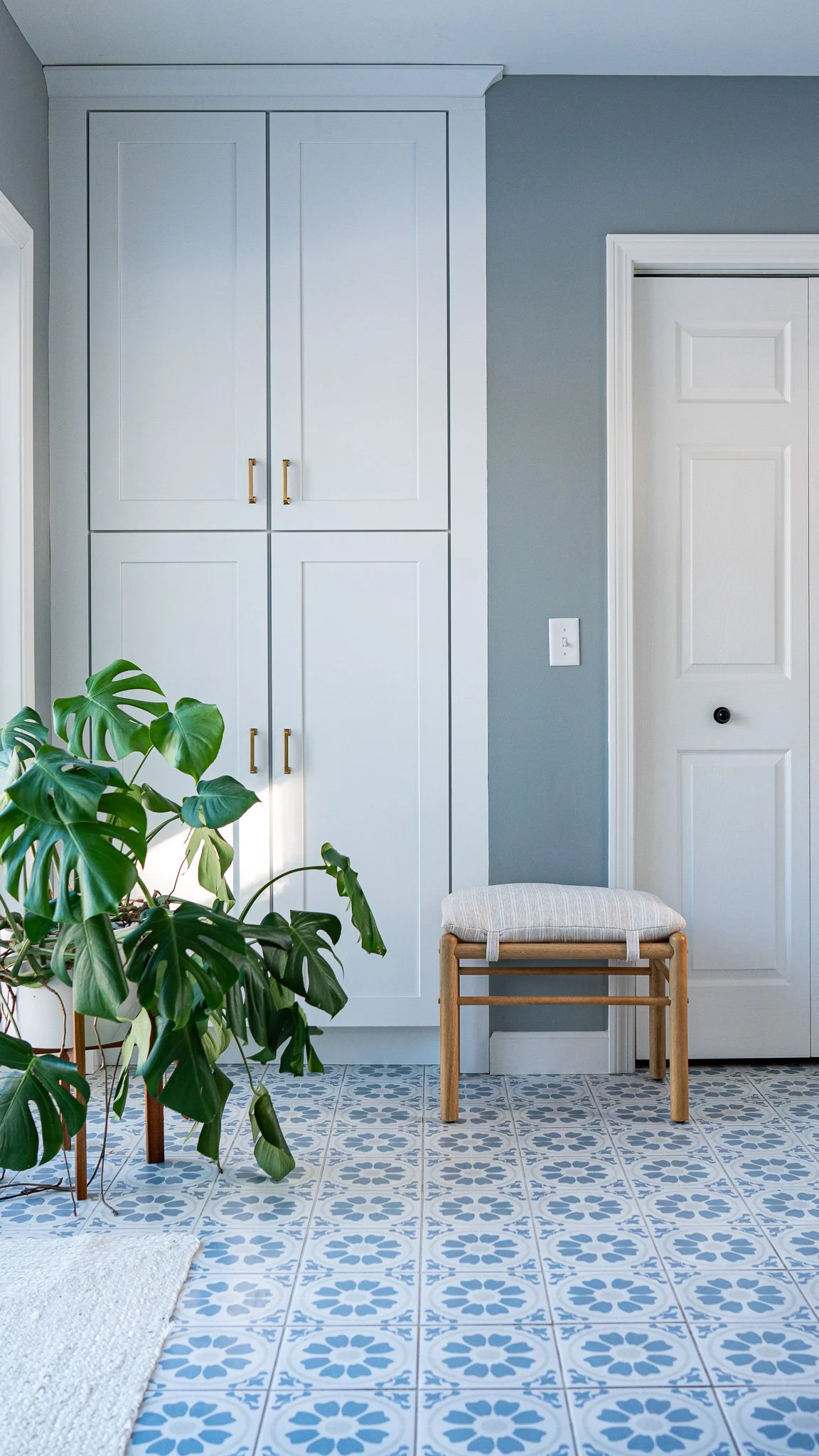
If you've ever stood in your entryway juggling grocery bags, a dripping umbrella, a kid's backpack, and a dog who just found the last patch of March mud in the yard, you already know why the mudroom has become one of the most requested spaces in home design. It's not a luxury add-on — it's the room that absorbs the daily chaos so the rest of your home doesn't have to.
For Maine homes especially, a well-designed mudroom and drop zone earns its keep. Between mud season, salted boots, snow-soaked mittens, and the humidity that rolls in off the coast, our entryways work harder here than almost anywhere else. The good news is that with the right layout and materials, that hardworking space can also be one of the most organized and welcoming spots in the house.
What Makes a "Drop Zone" Different from a Mudroom
The terms often get used interchangeably, but they serve slightly different purposes. A mudroom is the physical space — usually near a side or back entry — designed to contain mess and moisture before it reaches the rest of the home. A drop zone is the system within that space: the landing spot for keys, mail, backpacks, phones, and everything else that would otherwise end up scattered across a kitchen counter.
The best designs treat these as one integrated space rather than two separate problems. That means thinking not just about where boots go, but about the full daily transition from "just walked in the door" to "settled at home."
Start with Zones, Not Just Storage
Rather than one long bench and a row of hooks, the most functional mudrooms break the space into a few clear zones:
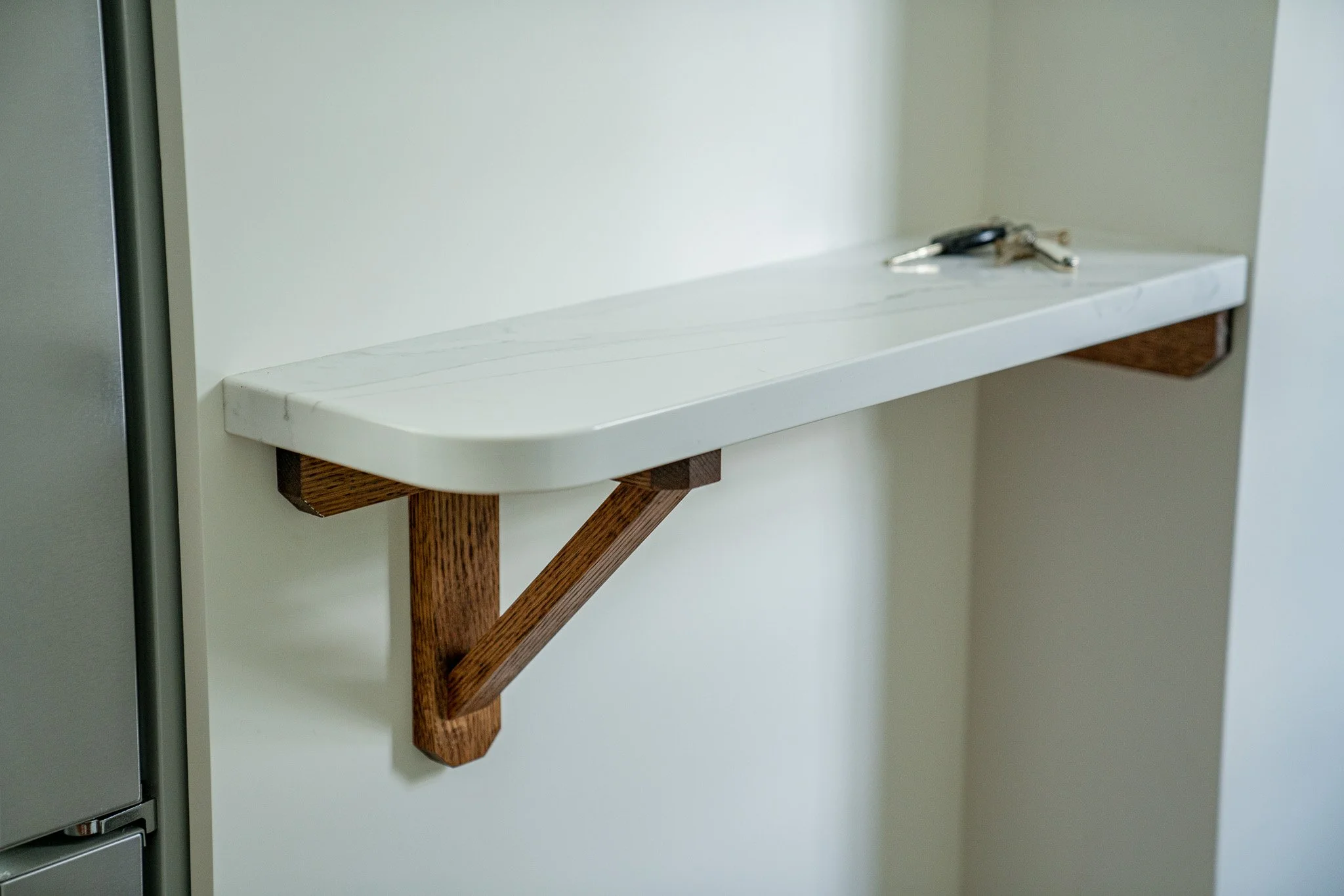
The landing strip. A shallow surface near the door for keys, wallets, mail, and a charging station. Small, but it's what keeps daily essentials from migrating into junk drawers.
Seating and shoe removal. A bench at a comfortable height, ideally with room underneath for boot trays or baskets, gives everyone a place to sit while they de-layer. This matters more in a Maine winter than almost anywhere else — nobody wants to balance on one foot pulling off a snow boot.
Hooks and hanging storage at more than one height. Family mudrooms work best when hooks are placed at both adult and kid height, so backpacks and coats actually make it onto them instead of the floor.
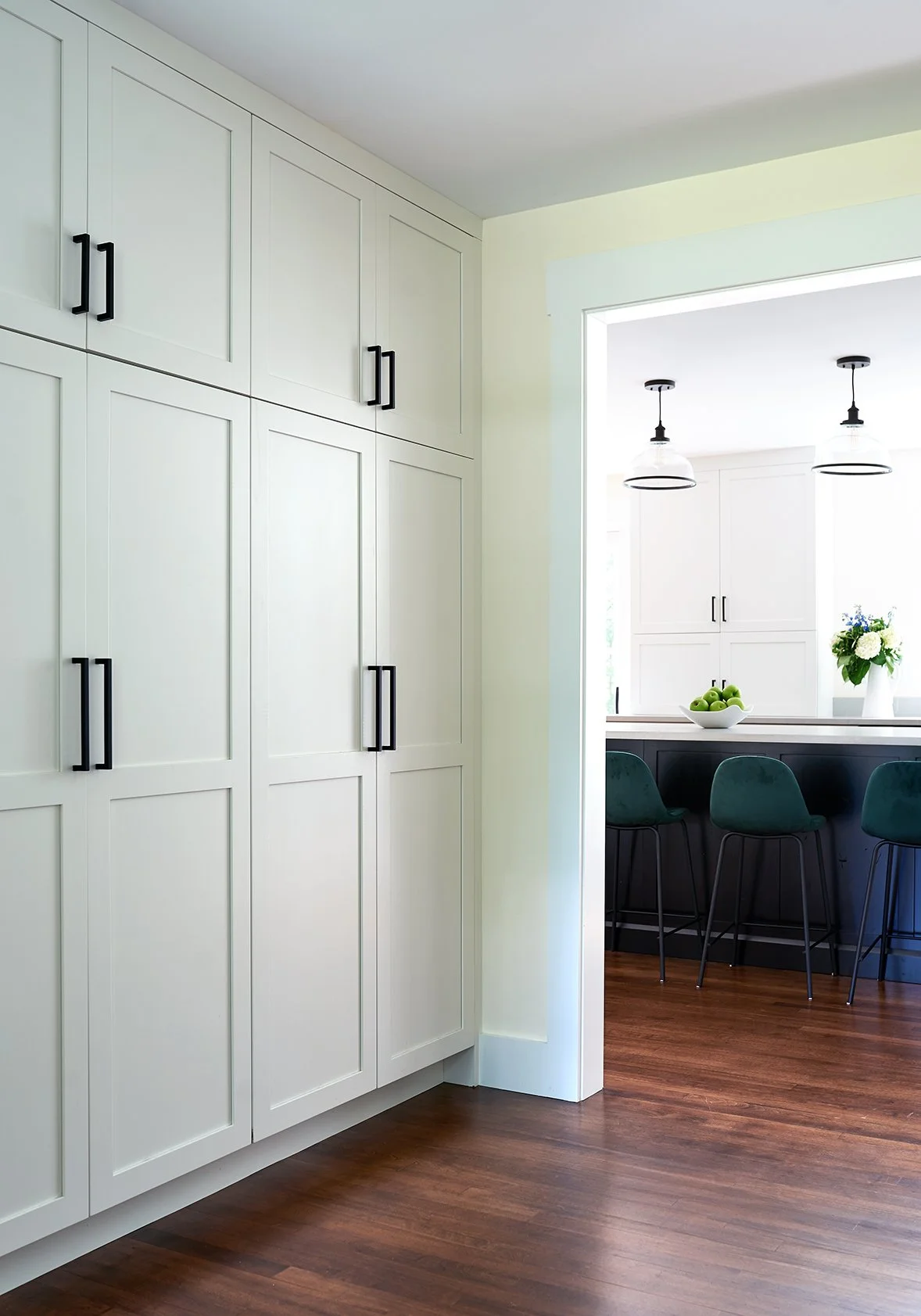
Closed storage for damp gear. Vented cubbies, lockers, or cabinets let wet coats, hats, and gloves dry without turning the room into a permanent laundry pile. This is one of the details that separates a mudroom that looks nice on move-in day from one that still works two years later.
A spot for the four-legged family members. If pets are part of your household, a built-in feeding station or a small wash area near the entry keeps muddy paws from ever making it past the threshold.
Materials That Can Handle a Maine Mud Season
This is where a mudroom's design either pays off or falls apart. Between road salt, sand, slush, and the humidity that comes with our coastal climate, entryway materials need to be as practical as they are attractive.
Durable, water-resistant flooring is non-negotiable — tile, sealed stone, or high-quality luxury vinyl all hold up well to repeated moisture and grit without showing wear. A slightly textured finish also helps with slip resistance when everyone's tracking in snowmelt.
For cabinetry and built-ins, look for moisture-resistant materials and finishes, especially in coastal or humid microclimates. Raw wood tones paired with painted cabinetry are a popular combination right now, giving the space some warmth without sacrificing durability.
And don't overlook what happens before people even reach the door. A covered entry or small overhang that lets boots shed their first layer of mud and snow makes a real difference in how much actually makes it inside — a small architectural detail with an outsized payoff during April in Maine.
Let the Room Grow with Your Family
A drop zone that works for a young family with cleats, art projects, and diaper bags looks different from one that serves an empty-nester household with hiking gear and holiday guests. Good mudroom design accounts for that — flexible bins instead of fixed compartments, adjustable shelving, and enough surface space that the room can be reconfigured as your family's needs change.
Lighting matters more than people expect here too. Maine's early winter sunsets mean many families come and go from this space in the dark for months at a time. A well-lit entry — natural light where possible, warm fixtures where it's not — makes the space feel welcoming rather than utilitarian.
A Space Worth the Planning
It's easy to think of the mudroom as an afterthought — the room you design last, once the kitchen and baths are settled. But because it's often the space every member of the household passes through multiple times a day, it has an outsized effect on how organized and calm the rest of the home feels.
If you're planning a renovation or a new addition and want an entryway that's built for how your family actually lives — mud season included — we'd love to talk through what that could look like for your home. It's one of our favorite kinds of spaces to design, precisely because it makes such a visible difference in the everyday.